How long can you live with silicosis depends almost entirely on when the disease is caught, what type you have, and whether you stop breathing in silica dust for good. That answer ranges from decades to months, and the gap between those outcomes is wider than most people realize.
This article breaks down prognosis by silicosis type and stage, walks through the factors that push outcomes in either direction, and explains why no treatment can undo the damage once it's done. If you or someone you know works around silica dust, this is the information that matters most.
Understanding Silicosis Prognosis and Life Expectancy
Silicosis is a progressive, incurable lung disease caused by inhaling crystalline silica dust. Tiny silica particles lodge deep in lung tissue and trigger chronic inflammation, which over time replaces healthy lung with irreversible scar tissue (fibrosis). Once that scarring exists, no medication or surgery removes it.
Prognosis varies dramatically based on the type of silicosis and the stage at diagnosis. A large cohort study of 11,809 patients published in Frontiers in Public Health found that median survival times were 27 years for stage I, 20 years for stage II, and 11 years for stage III. The overall median survival across all patients was 25 years. Those numbers tell a clear story: earlier detection buys significant time.
But "median" means half of patients lived longer and half lived shorter. Your individual prognosis depends on a constellation of factors, and the type of silicosis you develop is the single biggest variable.
Prognosis by Type: Chronic, Accelerated, and Acute
Chronic Silicosis: The Slow Progression
Chronic silicosis is the most common form, developing after 10 to 30 years of lower-level silica exposure. Because the disease progresses slowly, many workers don't notice symptoms until lung function has already declined significantly. Early-stage chronic silicosis may produce only mild breathlessness during exertion.
The relatively long survival times from the cohort data cited above apply primarily to chronic silicosis patients. Workers diagnosed at stage I who stop exposure immediately and manage their health proactively can live 20 or more years after diagnosis. That said, the disease never stops progressing. Even after all silica exposure ends, lung scarring continues to worsen, though at a slower pace.
Quality of life varies widely. Some workers with early-stage chronic silicosis maintain near-normal activity for years with pulmonary rehabilitation and breathing exercises. Others progress to stage III within a decade, facing severe respiratory disability that requires supplemental oxygen.
Accelerated Silicosis: A Compressed Timeline
Accelerated silicosis develops after 5 to 10 years of heavier silica exposure. It follows the same pathology as chronic silicosis but on a faster clock. Workers in engineered stone fabrication, sandblasting, and certain mining operations face the highest risk for this form.
Prognosis is considerably worse than chronic silicosis. Many patients progress to severe disability within 5 to 10 years of diagnosis. A 2026 pictorial review published in PubMed documented that removing workers from silica exposure is currently the only action proven to slow fatal progression in accelerated cases. No drug therapy has demonstrated the ability to halt the fibrosis once it gains momentum.
This form increasingly affects younger workers. The rise of engineered stone countertops has produced a wave of accelerated silicosis cases in workers in their 20s and 30s, which changes the emotional and financial calculus entirely.
Acute Silicosis: Rapid Decline
Acute silicosis is the rarest and most devastating form. It develops within weeks to a few years after massive silica exposure. The lungs essentially flood with a protein-rich fluid, similar to a condition called pulmonary alveolar proteinosis.
Life expectancy after acute silicosis diagnosis is typically measured in months, not years. Most patients progress to respiratory failure rapidly, and ICU intervention often becomes necessary. Lung transplant is the only intervention that can extend life meaningfully in these cases, but wait times and strict eligibility criteria make it inaccessible for many patients. Palliative care becomes the primary focus for those who aren't transplant candidates.
- Type: Chronic | Exposure Duration: 10–30 years | Time to Symptoms: 10–30 years | General Prognosis: Years to decades with management
- Type: Accelerated | Exposure Duration: 5–10 years | Time to Symptoms: 5–10 years | General Prognosis: Severe disability within 5–10 years
- Type: Acute | Exposure Duration: Weeks to months | Time to Symptoms: Weeks to a few years | General Prognosis: Often fatal within months
Factors That Shape Your Silicosis Prognosis
The type and stage at diagnosis set the baseline, but several modifiable and non-modifiable factors push prognosis in either direction.
Continued silica exposure is the single most damaging factor. Workers who remain in dusty environments after diagnosis experience dramatically faster decline. Removing yourself from exposure is the most important decision you can make.
Smoking accelerates lung function loss on top of silicosis-related scarring. Smoking cessation won't reverse existing damage, but it slows the compounding deterioration significantly. If you smoke and have silicosis, quitting is non-negotiable medical advice.
Comorbidities matter heavily. Silicosis patients face elevated risk for tuberculosis, COPD, pulmonary hypertension, and lung cancer. Each of these conditions compounds the respiratory burden and can shorten life expectancy well beyond what silicosis alone would cause. Regular screening for TB and lung cancer is essential, especially for advanced-stage patients.
Age at diagnosis also plays a role. Younger workers diagnosed in their 20s or 30s face decades of progressive disease, but they also have stronger baseline lung function and more options, including lung transplant candidacy. Older workers may have less reserve to absorb the damage.
Treatment Options Remain Limited
No cure for silicosis exists. No medication reverses lung fibrosis. That reality needs to be stated plainly because it shapes every other conversation about this disease.
Available treatments focus on managing symptoms and slowing complications. Pulmonary rehabilitation programs improve exercise tolerance and breathing efficiency. Bronchodilators can ease airflow obstruction for patients with concurrent COPD. Supplemental oxygen becomes necessary as lung function drops below certain thresholds.
Lung transplant remains the only option that can significantly extend life in severe or acute cases. However, the procedure carries substantial risks, organ availability is limited, and not all patients meet the criteria. Understanding the hidden costs of poor silica exposure data helps explain why so many cases reach advanced stages before anyone intervenes.
Why Prevention Is the Only Real Answer
When treatment can't reverse the disease, prevention becomes everything. That's not a slogan. It's the direct medical implication of an incurable, progressive lung condition.
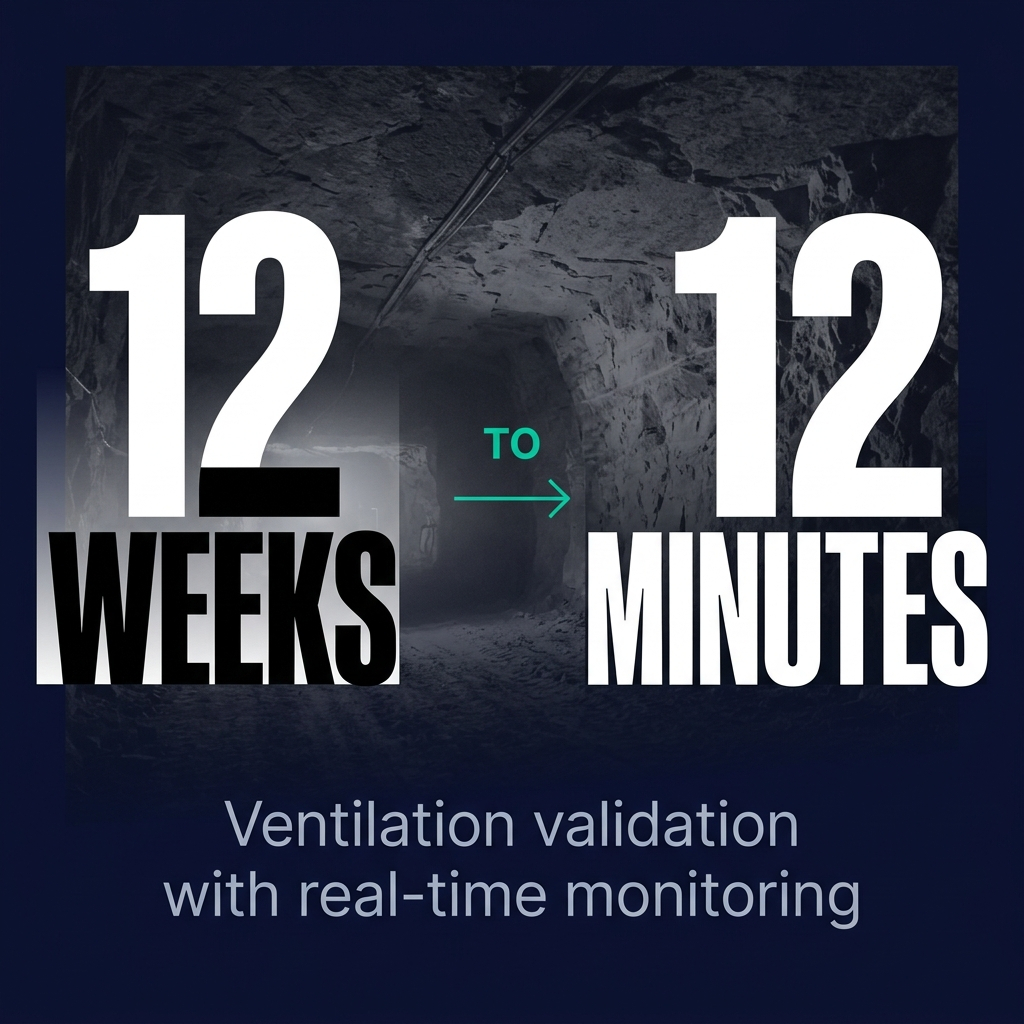
Effective prevention starts with engineering controls: wet cutting, enclosed processes, and ventilation systems that capture silica dust at the source. Personal protective equipment matters, but it's the last line of defense, not the first. Real-time dust monitoring gives teams the data they need to intervene before exposure limits are breached, rather than finding out weeks later from lab results. Companies committed to reducing silica exposure in line with MSHA standards treat monitoring as an ongoing process rather than a compliance checkbox.
The economic case for prevention is overwhelming. A study reported by MedicalXpress found that silicosis compensation claims in Victoria, Australia, ballooned to AU$111.8 million in five years and are projected to reach AU$29.9 million annually by 2031. Australia ultimately banned high-silica engineered stone in 2025, acknowledging that prevention policies cost far less than after-the-fact compensation.
Deploying personal dust monitors built for silica monitoring in mining enables workers and supervisors to see exposure data in real time. That visibility transforms behavior on the ground, not just compliance on paper.
The Employer's Responsibility
Employers carry the legal and moral obligation to protect workers from silica exposure. The MSHA silica standard sets enforceable permissible exposure limits, and OSHA maintains parallel requirements for general industry and construction. Compliance isn't optional, and ignorance isn't a defense.
According to the American Lung Association, 2.3 million workers are exposed to silica dust on the job in the U.S. That number represents a massive population whose long-term health depends on employer decisions made today. Every unmonitored shift, every skipped dust suppression protocol, and every cost-cutting shortcut on ventilation adds cumulative risk that workers carry in their lungs for life.
Responsible employers go beyond minimum compliance. They invest in continuous silica monitoring and testing programs, train workers on exposure risks, and pull workers from high-dust tasks when real-time data shows elevated levels. The CDC's Total Worker Health framework reinforces this approach, integrating hazard elimination with broader health promotion for scalable, cost-effective outcomes.
Frequently Asked Questions
What early warning signs of silicosis should prompt a medical evaluation?
Persistent cough, unusual shortness of breath during routine activity, chest tightness, and unexplained fatigue are common reasons to get checked, especially if you have a history of silica exposure. If symptoms worsen quickly or interfere with daily tasks, ask for an occupational lung evaluation rather than waiting for them to resolve on their own.
How is silicosis diagnosed and monitored over time?
Clinicians typically combine a detailed work exposure history with imaging (often chest X-ray or CT) and lung function tests (spirometry and related measures). Ongoing monitoring usually focuses on symptom tracking, repeat lung function testing, and periodic imaging based on clinical risk and progression.
Can I keep working in my trade after a silicosis diagnosis, and what accommodations help?
Many people can continue working if they move away from dust generating tasks and work in environments with verified low silica levels. Practical accommodations include reassignment, enhanced ventilation controls, fit tested respiratory protection when needed, and policies that prevent exposure spikes during high risk activities.
What questions should I ask my employer about silica controls at my jobsite?
Ask how silica is measured (methods, frequency, and where monitors are placed), what controls are used at the source, and how exceedances trigger immediate changes in work practices. Also request documentation of training, respirator programs, and maintenance schedules for ventilation and suppression equipment.
How can family members reduce the risk of take-home silica exposure?
Use on-site changing and shower facilities when available, store work clothes separately, and avoid shaking dusty garments indoors. Wash work clothing separately from household laundry and keep work boots and equipment out of living areas.
What specialists should be involved in silicosis care beyond a primary care clinician?
A pulmonologist with occupational lung disease experience is often central, and an occupational medicine clinician can help document exposure and guide workplace changes. Depending on complications, care may also include cardiology (for pulmonary vascular strain), infectious disease (for TB risk management), and transplant centers for advanced evaluation.
What financial and legal steps can help after a silicosis diagnosis?
Consider documenting your work history, exposure records, and medical findings early, since this information can support workers’ compensation or disability claims. Many patients also benefit from speaking with an occupational health attorney or a worker advocate to understand timelines, employer reporting obligations, and available benefits.
The Question Silicosis Forces You to Ask
How long can you live with silicosis isn't just a medical question. It's a question about whether the right protections were in place before the damage began. For chronic cases caught early, the answer can be decades. For acute cases, the answer can be weeks. The difference almost always traces back to exposure levels and how quickly they were controlled.
If you work in mining, construction, stone fabrication, or any industry where silica dust is present, demand real-time exposure data. Don't wait for symptoms. Applied Particle Technology's dust monitoring platform gives teams the visibility to act before exposure limits are exceeded, turning silica compliance from reactive paperwork into proactive protection. Explore how APT can protect your workforce today.
Take a tour of APT's dust management platform

Vulcan Materials Company is the nation’s largest producer of construction aggregates.

Project partner
Brent Leclerc | Environmental Manager
Problems solved
Unjustified community dust complaints & lawsuits
Difficulty complying with opacity regulations and risk of NOVs
Solution
Real-time dust monitoring
Dust maps proving no community impact, preventing fines & lawsuits
Real-time opacity monitoring, high degree of compliance




Better decisions start with real-time insight
APT helps industrial teams move faster, act smarter, and stay compliant—because when you can see the problem clearly, you can solve it confidently.
