Every year, thousands of workers inhale silica dust without realizing the damage it does until symptoms show up decades later. This invisible hazard hides in some of the most common materials on job sites: concrete, sandstone, brick, and engineered quartz countertops.
The good news is that silica-related lung disease is entirely preventable. This guide breaks down the health risks, explains what the exposure limits actually mean in plain language, and walks through the controls that keep people breathing safely on the job.
What Is Silica Dust?
Silica is a naturally occurring mineral found in most rock, sand, and soil. When workers cut, grind, drill, or crush materials that contain silica, the process generates fine airborne particles known as respirable crystalline silica (RCS). These particles are small enough to reach the deepest parts of the lungs, where the body struggles to clear them.
The most common form is quartz, which shows up in concrete, granite, mortar, and dozens of other construction and mining materials. Engineered stone countertops are a newer concern because they contain upward of 90% crystalline silica by weight, far more than natural stone.
How Workers Get Exposed
Exposure happens whenever silica-containing materials get disturbed. Dry cutting concrete or stone is one of the worst offenders because it sends a concentrated plume of fine dust directly into the breathing zone. Grinding mortar joints, drilling into rock, demolishing masonry, and even sweeping up debris can push silica concentrations well above safe levels within minutes.
What surprises many people is that the dust you can see isn't the real threat. Respirable particles are typically smaller than 10 micrometers, invisible to the naked eye. A work area can look relatively clean while airborne silica concentrations remain dangerously high.
Health Risks of Silica Dust Exposure
Inhaled crystalline silica triggers an inflammatory response deep in lung tissue. Over time, the body surrounds these particles with scar tissue, permanently reducing lung capacity. The resulting disease, silicosis, has no cure. But silicosis isn't the only concern. Silica exposure also increases the risk of lung cancer, chronic obstructive pulmonary disease (COPD), and kidney disease.
Acute Silicosis
This is the rarest but most severe form. It develops within weeks to months after massive exposure, such as sandblasting in an enclosed space without protection. Lungs fill with fluid and protein, and the condition can be fatal within a year of onset.
Chronic Silicosis
The most common type, chronic silicosis develops after 10 to 30 years of lower-level exposure. By the time symptoms appear, the lung damage is extensive and irreversible. Workers often mistake early shortness of breath for aging or being out of shape, which delays diagnosis.
Accelerated Silicosis in Younger Workers
Accelerated silicosis appears within 3 to 10 years of high-intensity exposure. It has become a growing crisis among engineered stone fabrication workers, many of whom are in their 20s and 30s. The California Department of Public Health reported 432 confirmed silicosis cases among California countertop workers as of November 2025, illustrating how concentrated silica content in these materials accelerates the disease timeline dramatically.
Who Is Most at Risk?
Construction workers face the broadest exposure because concrete and masonry are everywhere. Miners encounter silica in virtually every rock formation they drill or blast. Foundry workers, tunnelers, stone fabricators, and demolition crews round out the highest-risk occupations.
Small contractors deserve special attention here. They often lack dedicated safety staff, and their workers may rotate between tasks that carry very different exposure levels. Without systematic monitoring, it's easy for a worker to accumulate dangerous doses over a few months of heavy cutting or grinding work. Understanding worker exposure monitoring is especially important for these smaller operations where informal work practices can quietly drive exposure above safe limits.
Silica Dust Exposure Limits Explained
Regulatory limits exist to cap the amount of silica a worker can inhale during a shift. The two most important benchmarks in the United States are set by OSHA and NIOSH.
- Agency: OSHA | Limit Type: Permissible Exposure Limit (PEL) | Concentration (8-hr TWA): 50 µg/m³
- Agency: NIOSH | Limit Type: Recommended Exposure Limit (REL) | Concentration (8-hr TWA): 25 µg/m³
- Agency: MSHA (2024 rule) | Limit Type: Enforceable PEL for mines | Concentration (8-hr TWA): 50 µg/m³ (Action Level: 25 µg/m³)
To put 50 µg/m³ in perspective, that's roughly 50 millionths of a gram in every cubic meter of air. You can't see it, smell it, or taste it. The only way to know whether you're above or below the limit is to measure.
MSHA's 2024 final rule aligned mining exposure limits with OSHA's standard and added mandatory six-month air monitoring along with immediate corrective action requirements. The result, according to MSHA enforcement data, was a 30% reduction in over-exposure citations within the first year as mines adopted wet drilling and enclosed cab filtration at higher rates. You can find a detailed breakdown of the MSHA silica standard and what it requires from operators.
How to Measure Silica Dust Exposure
Traditional measurement relies on personal air sampling pumps that workers wear during a full shift. The pump draws air through a filter cassette, which then goes to a lab for analysis. Results come back days or sometimes weeks later.
That delay is the biggest limitation of the traditional approach. If a worker was overexposed on Monday, you might not find out until the following week. By then, conditions may have changed, making it harder to identify the root cause. Real-time dust sensors address this gap by providing continuous concentration data throughout a shift, letting teams spot spikes as they happen and trace them back to specific tasks or locations. Selecting the best personal dust monitors for silica in mining depends on your operation's size and the tasks you need to track.
One common mistake is sampling only on "good" days or only in areas where dust appears low. A credible monitoring program samples across different tasks, shifts, and weather conditions. Without that variety, the data can mask real problems. Poor sampling strategies carry hidden costs tied to inadequate silica exposure data that extend well beyond compliance fines.
How to Protect Workers from Silica Dust
Effective protection follows a hierarchy: eliminate or reduce the dust first, then manage what's left with administrative controls and PPE. Jumping straight to respirators without addressing the source is a recipe for ongoing overexposure.
Engineering Controls That Reduce Dust at the Source
Wet methods are the single most effective field control for most silica-generating tasks. Wet cutting concrete can reduce airborne dust by 80% or more compared to dry cutting. Local exhaust ventilation, such as vacuum-equipped grinders and shrouded saws, captures dust before it reaches the breathing zone.
Enclosed operator cabs with HEPA filtration systems protect equipment operators in mining and demolition. These cabs only work, though, if doors and windows stay closed and filters get replaced on schedule. A neglected cab filter can actually concentrate dust inside the enclosure.
Work Practices and Administrative Measures
Banning dry sweeping is an easy win that many sites still overlook. Compressed air blowdowns are even worse. Both practices resuspend settled dust and create brief but intense exposure spikes. Wet sweeping or HEPA-filtered vacuuming should be the standard.
Rotating workers off high-exposure tasks can lower individual dose, but this only works when you have reliable monitoring data to guide the rotation schedule. The Construction Safety Council launched a 2025 education initiative combining task-specific training with multilingual materials on engineering controls and respirator fit-testing, showing how targeted training paired with clear control guidelines strengthens frontline compliance.
Respiratory Protection and PPE
Respirators are your last line of defense, not your first. When engineering controls alone can't keep exposure below the PEL, workers need properly fitted respirators rated for silica. A standard cloth dust mask provides almost no protection against respirable silica particles.
Half-face respirators with P100 filters handle most moderate-exposure tasks. Full-face powered air-purifying respirators (PAPRs) suit higher concentrations or extended wear. The key requirement is annual fit testing. A respirator that doesn't seal properly against the face gives workers false confidence while letting dust through.
Employers also carry responsibilities beyond handing out PPE. Written exposure control plans, regular training, medical surveillance for workers above the action level, and recordkeeping all fall under MSHA silica compliance and OSHA requirements. Medical surveillance typically includes chest X-rays and spirometry tests at regular intervals, catching early signs of lung damage before symptoms emerge.
Frequently Asked Questions
What symptoms should prompt a worker to seek medical evaluation for possible silica exposure?
Persistent cough, chest tightness, unusual shortness of breath during routine activity, and unexplained fatigue should be taken seriously, especially if they worsen over time. Workers with a history of dusty tasks should report symptoms early and request an occupational health evaluation that considers job exposure history.
How can employers confirm their dust control equipment is working correctly day to day?
Use a simple verification routine that checks water flow rates, vacuum suction, hose integrity, and shroud condition before each shift, then document findings. Pair these checks with periodic performance testing, for example smoke tests for capture or airflow measurements, to catch failures that are not visually obvious.
What should a written silica exposure control plan include to be practical on the job site?
A useful plan lists high risk tasks, required controls for each task, who is responsible for setup and maintenance, and what to do when conditions change. It should also include training requirements, housekeeping rules, and clear escalation steps when monitoring shows elevated readings.
How do weather and site conditions affect silica exposure risk?
Wind can carry fine dust farther than expected and shift exposure to nearby crews, while cold temperatures can reduce the effectiveness of some wet methods if water lines freeze. Humidity, terrain, and confined work areas also influence how long dust stays airborne and where it accumulates.
What are common mistakes that cause respirators to fail in real work conditions?
Facial hair, incorrect size or model selection, worn straps, and skipping user seal checks can all break the face seal. Another frequent issue is poor filter management, such as using the wrong filter type or delaying filter changes after heavy loading.
How should companies handle silica risks for subcontractors and short term crews?
Treat subcontractors as part of the same exposure ecosystem by aligning task controls, training expectations, and monitoring rules before work begins. A brief pre task coordination meeting, shared site rules for housekeeping, and clear PPE standards help prevent gaps created by mixed crews.
How can exposure data be communicated to workers in a way that changes behavior?
Translate readings into task based guidance, for example which tools, setups, or locations consistently drive spikes, and share it during quick toolbox talks. Posting simple visual trends and giving crews immediate feedback reinforces the connection between specific practices and safer air.
Build Silica Safety into Every Shift
Silica dust exposure is one of the most preventable occupational hazards in heavy industry, yet it still causes irreversible lung disease in thousands of workers. The formula isn't complicated: measure exposure accurately, apply engineering controls before reaching for respirators, and train workers on why each step matters.
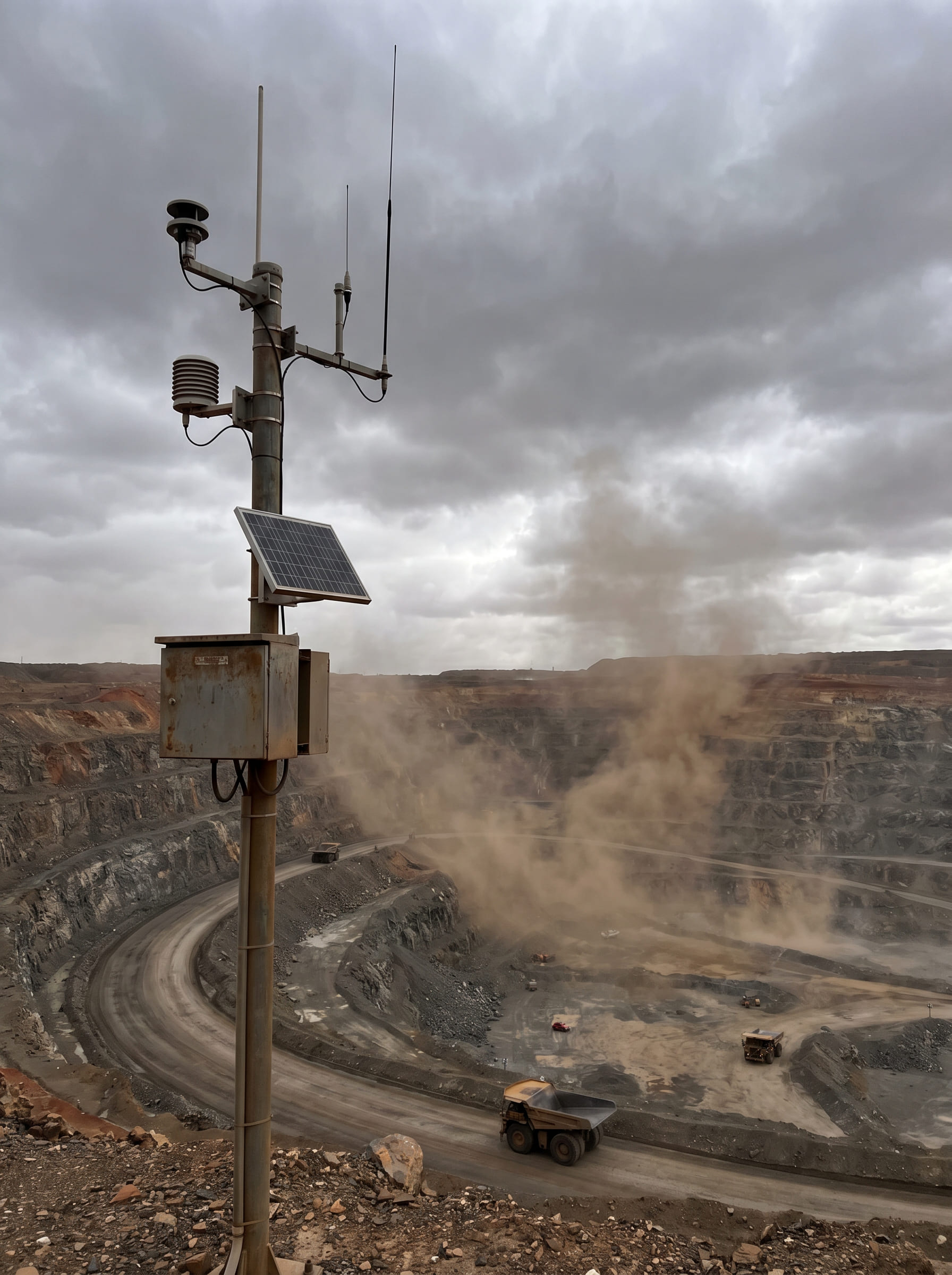
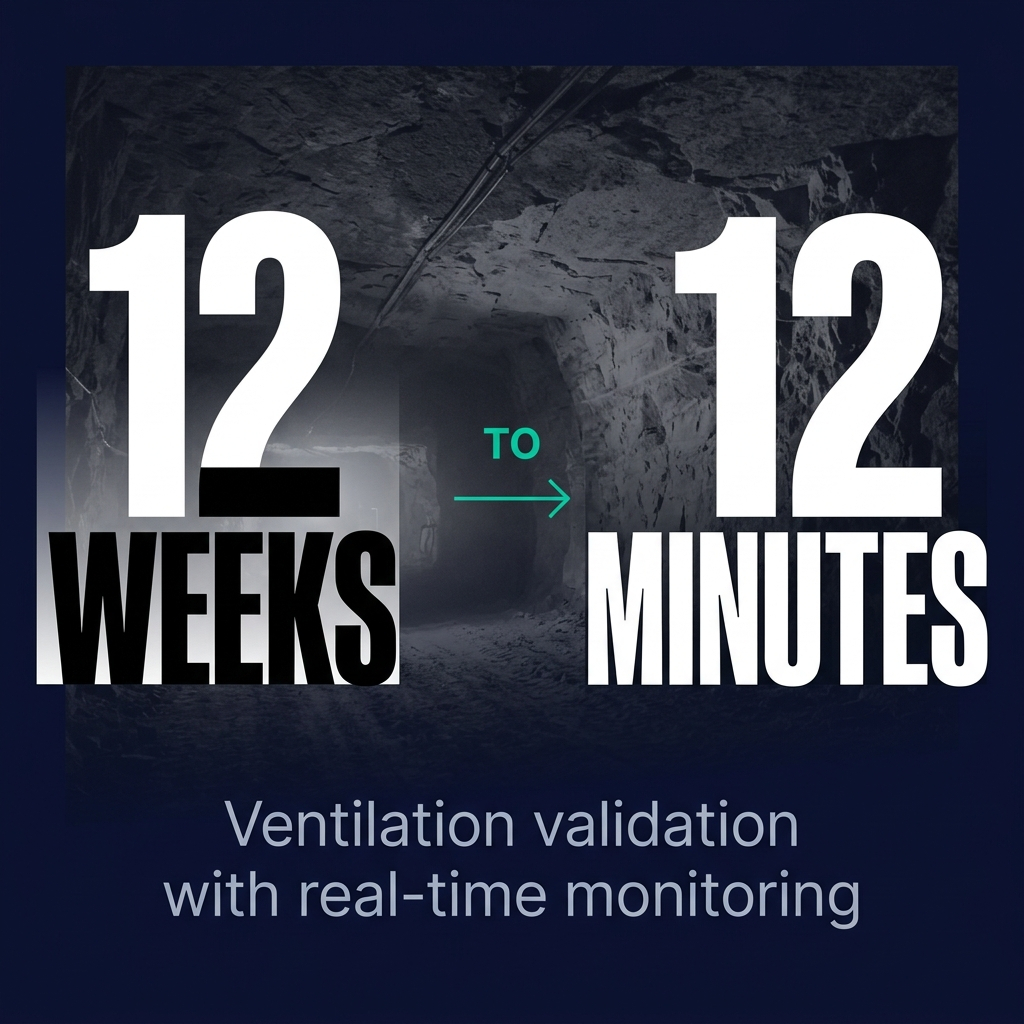
The gap between knowing the rules and implementing them on every shift is where most operations struggle. Real-time monitoring closes that gap by connecting exposure data to specific tasks and conditions so teams can act immediately instead of waiting on lab results. Applied Particle Technology combines continuous dust sensors with software that turns raw data into targeted, defensible action, helping mining and industrial teams stay ahead of compliance requirements while protecting the people doing the work.
Take a tour of APT's dust management platform

Vulcan Materials Company is the nation’s largest producer of construction aggregates.

Project partner
Brent Leclerc | Environmental Manager
Problems solved
Unjustified community dust complaints & lawsuits
Difficulty complying with opacity regulations and risk of NOVs
Solution
Real-time dust monitoring
Dust maps proving no community impact, preventing fines & lawsuits
Real-time opacity monitoring, high degree of compliance




Better decisions start with real-time insight
APT helps industrial teams move faster, act smarter, and stay compliant—because when you can see the problem clearly, you can solve it confidently.
