Crystalline silica kills slowly, and that's exactly what makes it so dangerous. Workers inhale particles they can't see or feel, go home feeling fine, and repeat the cycle for years before a chest X-ray reveals irreversible scarring. By the time symptoms appear, the damage is already done.
Understanding exactly how much exposure crosses the line from acceptable to harmful isn't just an academic exercise. It's the difference between a long career and a disability claim. This guide breaks down the exposure thresholds that regulatory agencies consider dangerous, the health effects tied to specific dose levels, and what you can do right now to reduce risk on your site.
What Is Crystalline Silica and Why Is It Hazardous?
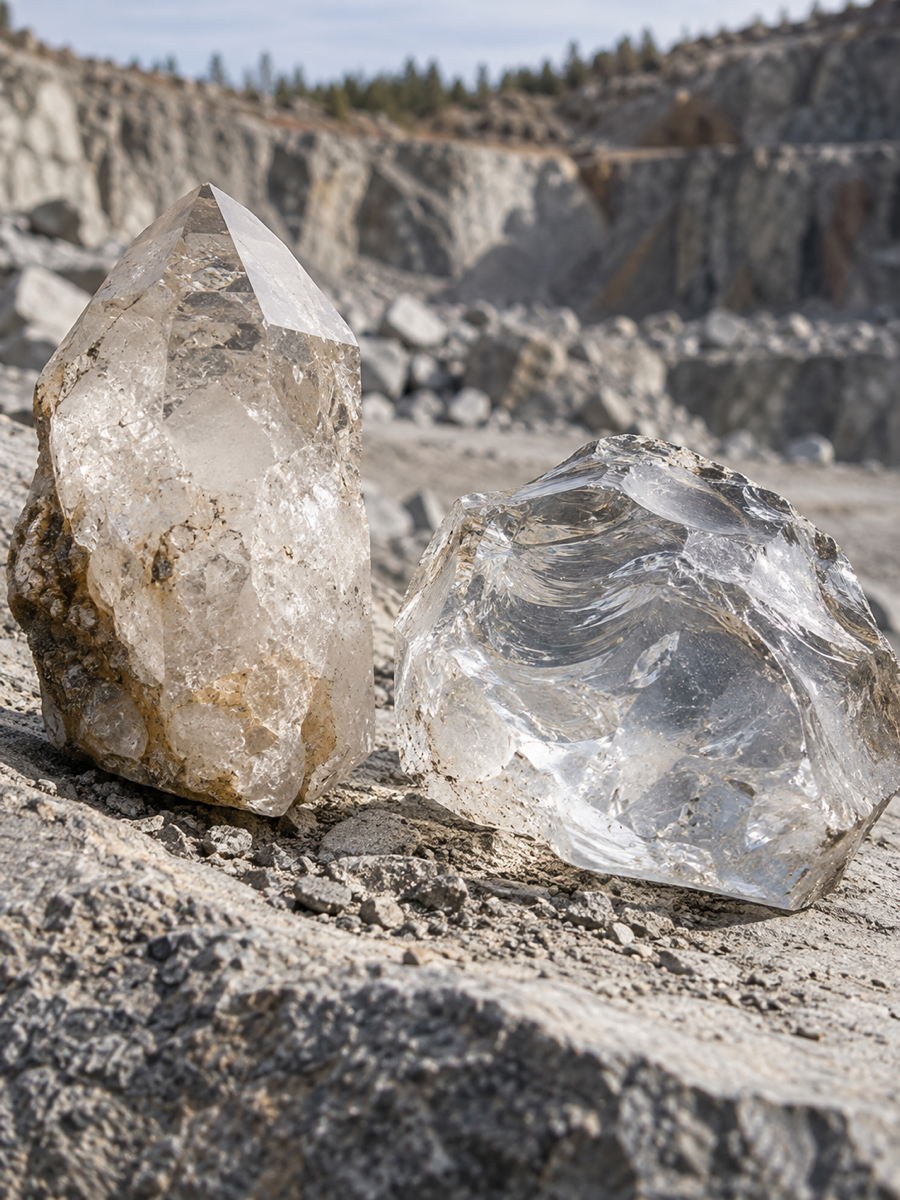
Silica is one of the most common minerals on Earth. It shows up in sand, granite, sandstone, and dozens of other natural materials. Crystalline silica refers to a specific molecular arrangement of silicon dioxide, with quartz being the most prevalent form. Other crystalline forms include cristobalite and tridymite, though quartz accounts for the vast majority of occupational exposures.
The critical distinction most people miss is the difference between visible dust and respirable crystalline silica (RCS). Visible dust particles are too large to reach the deepest parts of your lungs. They get trapped in your nose, throat, or upper airways. RCS particles, on the other hand, measure less than 10 micrometers in diameter. That's small enough to bypass your body's natural defenses and lodge deep in the alveoli, where gas exchange happens.
Why Respirable Particles Cause the Most Damage
Once these microscopic particles embed in lung tissue, your body can't clear them effectively. Your immune system sends macrophages to attack the foreign material, but the cells die in the process. This triggers chronic inflammation and the formation of scar tissue, a condition known as fibrosis. The scarring is permanent and progressive, meaning it continues even after exposure stops.
How Crystalline Silica Exposure Happens on the Job
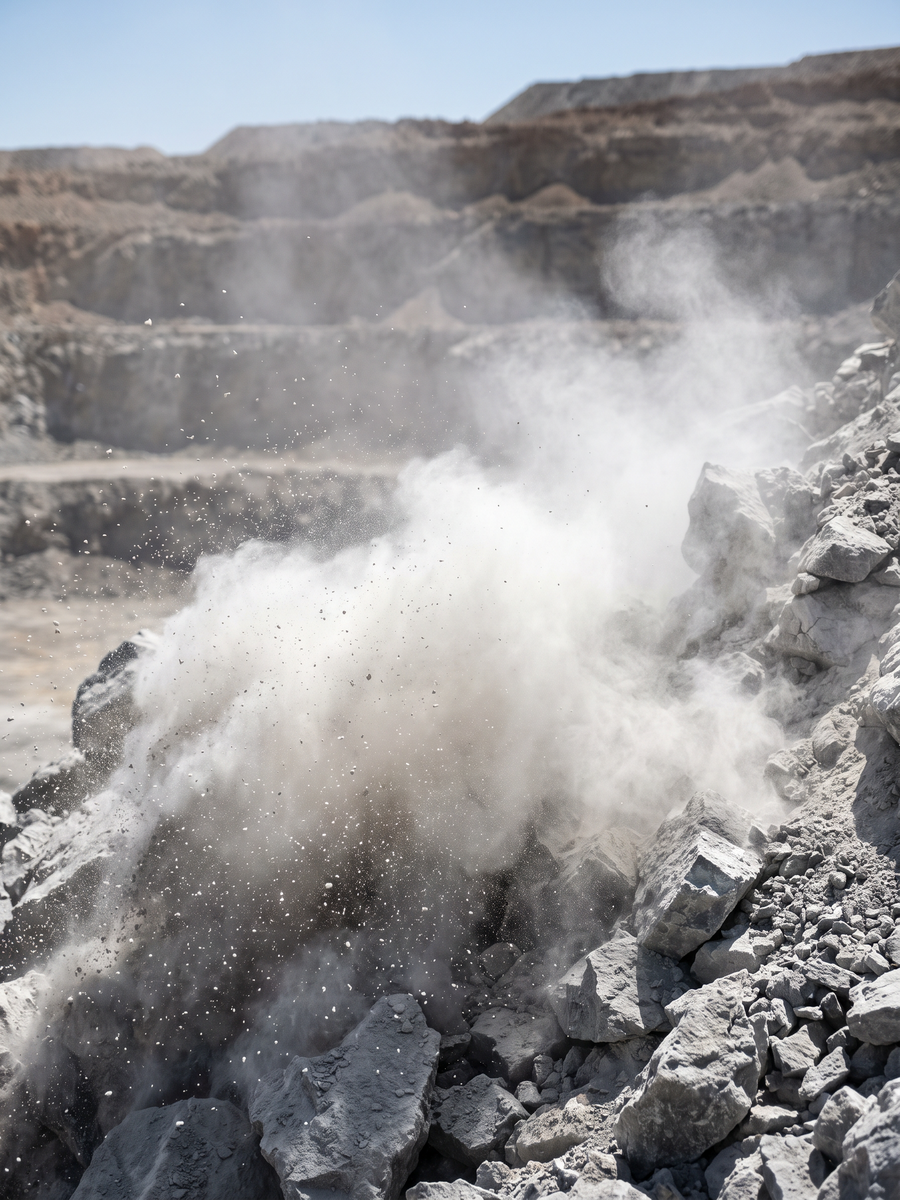
Silica dust becomes airborne whenever someone cuts, drills, grinds, crushes, or blasts materials that contain silica. The list of high-risk activities is longer than most safety managers realize.
Cutting concrete or masonry with saws generates extremely high concentrations of respirable dust in a small area
Abrasive blasting (sandblasting) can produce silica levels hundreds of times above permissible limits
Drilling or tunneling through rock in mining operations releases silica-laden dust continuously
Crushing and screening aggregate materials at quarries and processing plants
Fabricating engineered stone countertops, which can contain over 90% silica by weight
Industries most affected include mining, construction, stone fabrication, glass manufacturing, foundry work, and hydraulic fracturing. But exposure isn't limited to obviously dusty trades. Even workers in adjacent areas can inhale dangerous concentrations if ventilation is poor or dust controls are absent. Understanding what respirable dust is, including particle size and hazard thresholds, helps teams recognize risk before it becomes a health crisis.
Silica Exposure Limits: OSHA, NIOSH, and MSHA Standards
So how much is too much? Multiple federal agencies have established exposure limits, and they don't all agree. Here's what the numbers look like.
- Agency: OSHA | Limit Type: Permissible Exposure Limit (PEL) | 8-Hour TWA Limit: 50 µg/m³
- Agency: OSHA | Limit Type: Action Level | 8-Hour TWA Limit: 25 µg/m³
- Agency: MSHA | Limit Type: PEL (2024 Final Rule) | 8-Hour TWA Limit: 50 µg/m³
- Agency: NIOSH | Limit Type: Recommended Exposure Limit (REL) | 8-Hour TWA Limit: 50 µg/m³
- Agency: ACGIH | Limit Type: Threshold Limit Value (TLV) | 8-Hour TWA Limit: 25 µg/m³
The OSHA standard, codified in 29 CFR 1910.1053, caps exposure at 50 µg/m³ as an 8-hour time-weighted average (TWA). That means the average concentration a worker breathes over a full shift must stay below this threshold. The action level of 25 µg/m³ triggers additional requirements like medical surveillance and exposure monitoring.
What Eight-Hour TWA Means in Practice
An 8-hour TWA doesn't mean you're safe as long as you stay below 50 µg/m³ at any given moment. A worker could spend two hours at 200 µg/m³ during a concrete-cutting task and six hours in clean air. That averages out to 50 µg/m³, which technically meets the PEL but still represents a dangerous spike. Short-duration, high-intensity exposures carry their own risks. To understand what even a single shift of overexposure can do to your lungs, read about short-term exposure to silica dust and what one shift can do.
The ACGIH recommends a more conservative 25 µg/m³ TLV because mounting evidence suggests health effects occur below the current PEL. Some occupational health researchers argue no level of crystalline silica exposure is truly "safe." The regulatory limits represent a balance between feasibility and protection, not a guarantee of zero risk.
Health Effects: What Happens When Exposure Exceeds Safe Levels
Silica-related diseases don't announce themselves early. According to OSHA, silicosis typically develops after 15 to 20 years of occupational exposure to respirable crystalline silica. That latency period creates a false sense of security. Workers feel fine for years while microscopic damage accumulates.
Silicosis and Disease Progression
Chronic silicosis is the most common form, developing after a decade or more of moderate exposure. Symptoms include persistent cough, progressive shortness of breath, and fatigue. Chest X-rays reveal small nodular opacities in the upper lung zones.
Accelerated silicosis appears within 5 to 10 years of heavier exposure. It progresses faster and often leads to progressive massive fibrosis, where nodules merge into large masses of scar tissue that destroy lung function.
Acute silicosis can develop within weeks to a few years after very high exposure, such as unprotected sandblasting in enclosed spaces. This form resembles pulmonary alveolar proteinosis and is frequently fatal.
Beyond Silicosis: Other Serious Health Risks
Silica exposure doesn't stop at the lungs. The International Agency for Research on Cancer classifies crystalline silica as a Group 1 human carcinogen. Workers with prolonged exposure face elevated risk of lung cancer even without a silicosis diagnosis. Chronic kidney disease and autoimmune disorders have also been linked to silica exposure in epidemiological studies. Tuberculosis risk increases significantly in workers with silicosis because the damaged lung tissue provides an ideal environment for the bacteria to thrive.
The irreversible nature of these conditions is the core reason that poor silica exposure data carries hidden costs well beyond regulatory fines. Once fibrosis sets in, no treatment reverses it.
Reducing Crystalline Silica Exposure with Effective Controls
OSHA's silica standard doesn't just set limits. It mandates a hierarchy of controls that employers must follow, starting with engineering solutions before resorting to respiratory protection.
Engineering controls should be the first line of defense. Wet cutting methods can reduce airborne silica by 80% or more during concrete sawing. Local exhaust ventilation captures dust at the source before it spreads. Enclosed cabs with HEPA-filtered air supply protect equipment operators in mining and construction settings.
Administrative controls include rotating workers through high-exposure tasks, scheduling dusty operations when fewer workers are present, and restricting access to high-dust zones. These measures reduce cumulative dose but don't eliminate the hazard.
Respiratory protection serves as a backup when engineering and administrative controls can't bring exposure below the PEL. Properly fitted N95 respirators offer a minimum assigned protection factor of 10, while powered air-purifying respirators provide higher levels. However, relying solely on respirators is neither sustainable nor compliant with the standard. OSHA considers respirators a last resort, not a primary strategy.
The Role of Real-Time Monitoring in Silica Compliance
Traditional gravimetric sampling gives you a single TWA number days or weeks after the shift ends. By then, the overexposure has already happened. Real-time dust monitoring changes that equation entirely. Continuous sensors identify exposure spikes as they occur, allowing supervisors to intervene immediately rather than react to a lab report.
Applied Particle Technology combines real-time dust sensors with intelligent software to give EHS teams continuous worker exposure monitoring and actionable alerts. Instead of guessing which tasks drive the highest exposures, teams get granular data that pinpoints exactly when and where controls are failing. This approach has been validated through a NIOSH study deploying APT sensors for silica monitoring, demonstrating that low-cost real-time monitors can complement traditional methods and dramatically improve response times.
Frequently Asked Questions
Q: How can I estimate silica exposure risk before air sampling results are available?
A: Start with a task-based risk review: identify when high-energy processes disturb silica-containing materials, note how enclosed the area is, and assess whether workers are downwind or nearby. Use this to prioritize immediate controls and decide where personal sampling and area sampling should be placed first.
Q: What is the difference between OSHA’s construction and general industry silica requirements?
A: Construction work is often managed using OSHA’s specified control approaches for common tasks (Table 1), while general industry relies more heavily on exposure assessments, written programs, and demonstrating exposures are controlled. The best approach is to confirm which standard applies to your site and align documentation, training, and measurement plans accordingly.
Q: How often should workers be medically evaluated for silica exposure?
A: Medical surveillance frequency depends on regulatory triggers, employer policies, and exposure history, but it should be scheduled proactively for roles with recurring silica-generating tasks. Coordinate with an occupational health provider to set a cadence that matches job assignments, exposure data, and any symptoms or abnormal findings.
Q: What training topics reduce silica risk beyond “wear a respirator”?
A: Effective training covers recognizing silica-generating tasks, correct setup and maintenance of dust controls, housekeeping practices that avoid re-suspending fine dust, and how to respond to changing conditions like wind or confined areas. It should also teach workers to report failed controls and near-miss exposure events without delay.
Q: How should we manage silica exposure for subcontractors and multi-employer job sites?
A: Establish shared rules for dust control, access restrictions, and communication of high-exposure tasks before work starts. Require subcontractors to provide their exposure control plans, then coordinate schedules and monitoring so one crew’s work does not create unrecognized exposure for another.
Q: What documentation should an EHS team keep to demonstrate silica compliance over time?
A: Maintain a clear record of exposure assessments, control measures used for each task, equipment maintenance logs (especially ventilation and filtration), worker training completion, and any corrective actions taken after elevated readings. Organizing these records by task and location makes audits, investigations, and trend analysis far easier.
Q: If our measurements are below the limit, should we still try to reduce exposure further?
A: Yes, because limits are compliance thresholds, not a guarantee of zero health risk, and exposure can vary widely day to day based on materials, weather, and work practices. Ongoing reduction efforts also create a safety buffer that helps prevent occasional spikes from becoming routine overexposures.
Protect Your Workers Before the Damage Is Done
Crystalline silica exposure is dangerous at levels you can't see, smell, or feel. The regulatory limits exist because decades of medical evidence prove that prolonged inhalation of respirable silica causes irreversible lung disease, cancer, and kidney damage. Waiting for symptoms means waiting too long.
The most effective protection combines strict engineering controls with continuous monitoring that catches problems in real time, not weeks later in a lab. Whether you're managing a mine, a quarry, or a construction site, the goal is the same: know what your workers are breathing right now and act on it immediately.
Applied Particle Technology helps industrial teams do exactly that. Explore APT's silica monitoring and testing platform to see how real-time data can reduce exposure risk across your operation.
Take a tour of APT's dust management platform

Vulcan Materials Company is the nation’s largest producer of construction aggregates.

Project partner
Brent Leclerc | Environmental Manager
Problems solved
Unjustified community dust complaints & lawsuits
Difficulty complying with opacity regulations and risk of NOVs
Solution
Real-time dust monitoring
Dust maps proving no community impact, preventing fines & lawsuits
Real-time opacity monitoring, high degree of compliance


Better decisions start with real-time insight
APT helps industrial teams move faster, act smarter, and stay compliant—because when you can see the problem clearly, you can solve it confidently.
