October 7, 2026
California’s enhanced general-industry silica protections became permanent on February 5, 2025. Section 5204 retains the 50 micrograms per cubic meter permissible exposure limit as an eight-hour time-weighted average while imposing additional duties for defined high-exposure trigger tasks. The current displayed text makes task classification central to applicability.
APT’s California permanent silica standard tracker record identifies the high-exposure task requirements and their site exceptions.
Identify the task and the material together
The trigger definition covers specified work on artificial stone containing more than 0.1 percent crystalline silica by weight and other silica-containing products, including natural stone, containing more than 10 percent. It includes specified handling and cleanup of resulting wastes and dust. The definition also contains a task exception that requires supporting representative sampling.
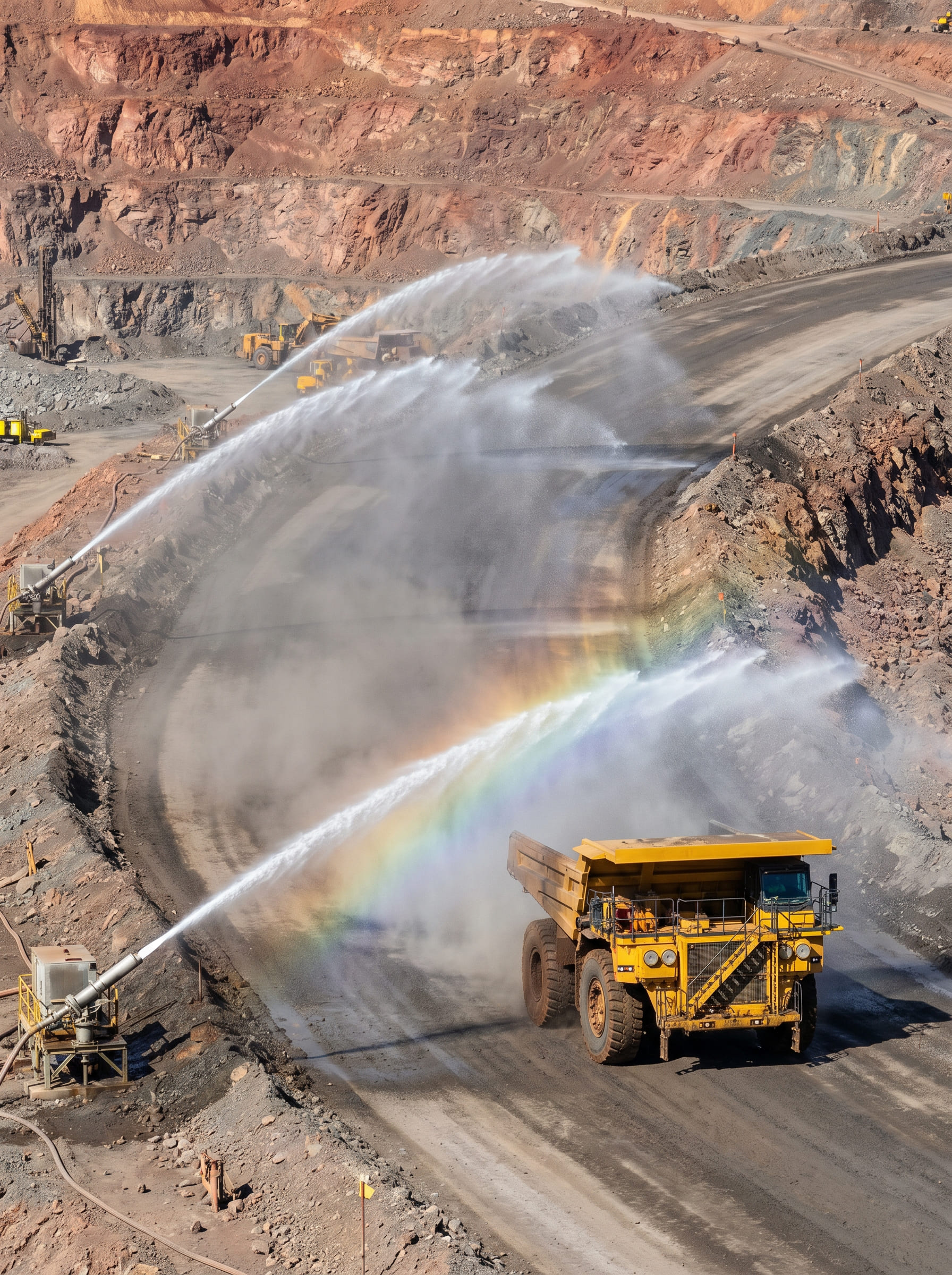
The high-exposure trigger-task requirements have exceptions for quarries, mines, and concrete and cement manufacturing facilities. That exception should not be described as a general exemption from every silica duty under section 5204 or from other applicable standards.
Sampling duties continue for covered trigger tasks
Section 5204 requires scheduled monitoring for covered high-exposure trigger tasks regardless of expected exposures or objective data. Monitoring for those tasks cannot simply stop after a result below the action level; the rule requires qualified-person sampling at least every 12 months, with more frequent monitoring where its provisions require it.
The rule also sets task-specific requirements for controls, respiratory protection and medical surveillance. Their exceptions and alternatives need to be read with the relevant subsection before choosing a site procedure.
APT’s practical interpretation is to document the task, material composition and applicable exception alongside the sampling plan. The permanent-rule history separates the February 2025 adoption from the earlier emergency rulemaking. Later discussion drafts must be tracked separately from this operative text.
Find related developments in the industrial hygiene regulatory tracker.
Get regulatory news updates
Receive updates on industrial hygiene and workplace exposure regulations in the US, Canada, and Australia.
Take a tour of APT's dust management platform

Vulcan Materials Company is the nation’s largest producer of construction aggregates.

Project partner
Brent Leclerc | Environmental Manager
Problems solved
Unjustified community dust complaints & lawsuits
Difficulty complying with opacity regulations and risk of NOVs
Solution
Real-time dust monitoring
Dust maps proving no community impact, preventing fines & lawsuits
Real-time opacity monitoring, high degree of compliance



Better decisions start with real-time insight
APT helps industrial teams move faster, act smarter, and stay compliant—because when you can see the problem clearly, you can solve it confidently.
