October 7, 2026
Nevada’s heat-illness regulation R131-24 was filed on November 15, 2024. The approved text links written job hazard analysis to employers required to establish a safety program under NRS 618.383. Nevada OSHA later identified April 29, 2025 as the start of full enforcement.
APT’s Nevada heat illness regulation tracker record connects the job hazard analysis with employer coverage and implementation dates.
Assess the job and the working conditions
The regulation identifies factors including temperature, humidity, radiant heat, air movement, workload and protective clothing. Its written-analysis provisions address relevant job classifications and tasks, including reassessment when a task materially changes.
Where the analysis identifies heat exposure, the rule connects it with mitigation, training and emergency-response procedures. The enforcement announcement explains the implementation expectations. The filing date and enforcement milestone should remain separately identified in the program’s history.
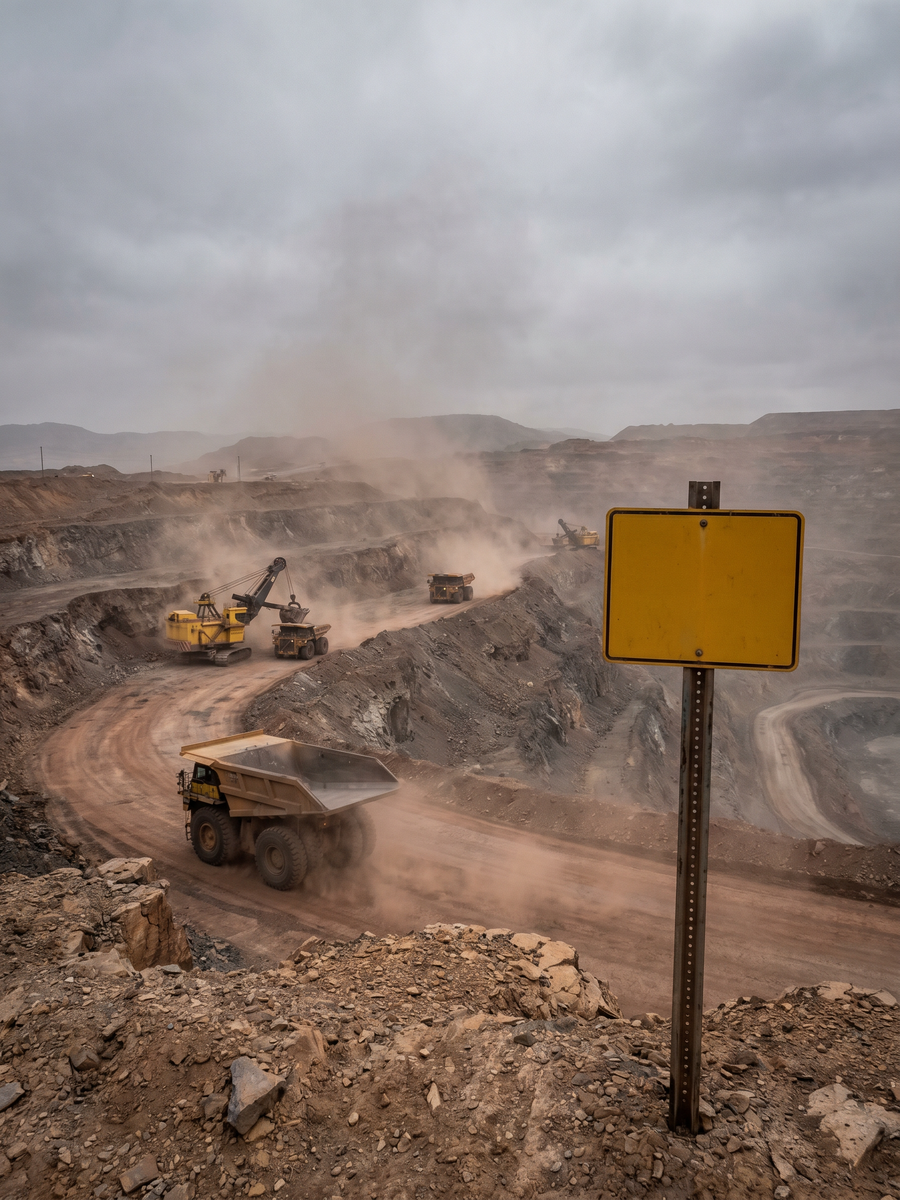
The May 21, 2026 guidance.pdf) identifies written-program coverage for employers with more than ten employees. Employers with ten or fewer employees are exempt from the regulation’s specific requirements unless they manufacture explosives, but retain duties to protect workers from recognized heat hazards. The guidance also identifies mining facilities as outside Nevada OSHA’s jurisdiction. A mining operation must therefore determine its applicable authority separately.
Carry the analysis into the written program
APT’s practical interpretation is to document which job conditions created the heat concern and which procedures address them. Supervisors need a connection between the listed task, available controls and the response if a worker develops symptoms.
An employee count or a weather temperature alone does not complete that assessment. The work intensity, clothing and environment described in the analysis help explain the chosen procedures.
The guidance also explains section 9 relief for climate-controlled workplaces. If cooling fails or does not adequately address heat illness, the employer still has to address the hazard under the applicable provisions. A cooling system’s presence alone does not establish that workers are protected.
Find related developments in the industrial hygiene regulatory tracker.
Get regulatory news updates
Receive updates on industrial hygiene and workplace exposure regulations in the US, Canada, and Australia.
Take a tour of APT's dust management platform

Vulcan Materials Company is the nation’s largest producer of construction aggregates.

Project partner
Brent Leclerc | Environmental Manager
Problems solved
Unjustified community dust complaints & lawsuits
Difficulty complying with opacity regulations and risk of NOVs
Solution
Real-time dust monitoring
Dust maps proving no community impact, preventing fines & lawsuits
Real-time opacity monitoring, high degree of compliance




Better decisions start with real-time insight
APT helps industrial teams move faster, act smarter, and stay compliant—because when you can see the problem clearly, you can solve it confidently.
