Silica exposure is a daily reality in construction, yet it is also one of the most controllable occupational health risks on a jobsite. Cutting concrete, grinding masonry, drilling into brick, mixing dry materials, and cleaning up settled dust can all release respirable crystalline silica into the air. When those particles are small enough to reach the deep lung, they can initiate scarring that does not heal. The operational challenge is that the work may feel routine and “normal,” while the resulting harm accumulates quietly over years.
A strong prevention program starts with a clear understanding of where the hazard is generated, who is affected (including bystanders), and how controls must be selected, installed, and verified. This article rebuilds the topic from the ground up: what respirable crystalline silica is, why silica exposure matters, how OSHA’s construction standard is typically met, and how to implement practical controls that supervisors can enforce and crews can execute consistently. The goal is simple: reduce airborne dust at the source, document what you are doing, and prevent avoidable disease.
What Respirable Crystalline Silica Is—and Why It Becomes a Hazard
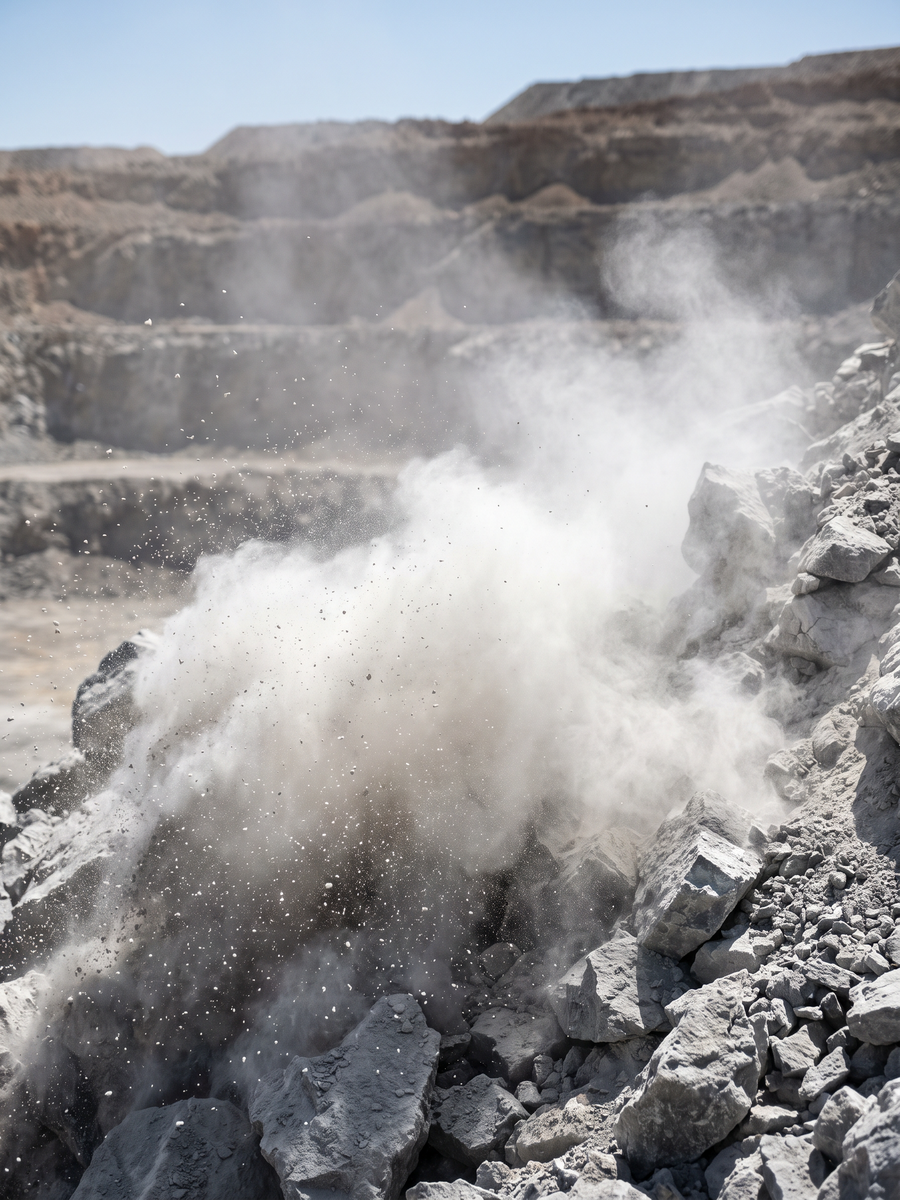
Crystalline silica is a mineral found in common construction materials such as sand, concrete, mortar, brick, block, granite, and engineered stone. In solid form, these materials are not inherently dangerous to handle. The hazard emerges when mechanical energy—cutting, grinding, chipping, drilling, crushing, or blasting—breaks the material into fine dust. At that point, the jobsite can quickly shift from “dusty” to a serious airborne exposure environment.
“Respirable” crystalline silica refers to the fraction of particles small enough to penetrate to the gas-exchange region of the lungs. Because these particles bypass the body’s natural defenses, the lungs may retain them. Over time, retained particles can cause inflammation and fibrosis (scarring). That scarring reduces lung function permanently. The risk profile is not limited to long-duration projects; high-energy tasks can create elevated silica exposure in minutes if controls fail or are not used.
Health Outcomes Linked to Silica
Silicosis is the best-known disease tied to silica dust, but it is not the only concern. Repeated or high-intensity exposure is associated with increased risk of lung cancer, chronic obstructive pulmonary disease (COPD), and certain kidney diseases. One of the most operationally important characteristics is the delayed onset: workers may have no symptoms while damage progresses. That delay makes prevention and documentation critical, because “no complaints” is not evidence that controls are adequate.
From an employer perspective, preventing silica exposure is both an ethical obligation and a business necessity. Uncontrolled exposures create regulatory risk, insurance and claims exposure, and workforce instability due to illness and lost time. In contrast, well-designed controls usually improve housekeeping, visibility, and overall productivity by reducing dust-related disruptions.
Where Silica Exposure Occurs on a Typical Construction Project
Because silica is present in so many materials, silica exposure can affect multiple trades and multiple phases of work. It is a mistake to assume the risk only exists during demolition or major concrete operations. Any task that creates airborne dust from silica-containing materials can present a hazard, and the most severe exposures often occur when high-energy tools are used at close range in partially enclosed areas.
Common High-Generation Tasks
Projects differ, but several activities are consistently associated with higher dust generation and higher risk:
Handheld saw cutting of concrete, masonry, or pavers
Tuckpointing and mortar removal (often among the highest intensity tasks)
Surface grinding (walk-behind or handheld) on slabs, walls, and precast elements
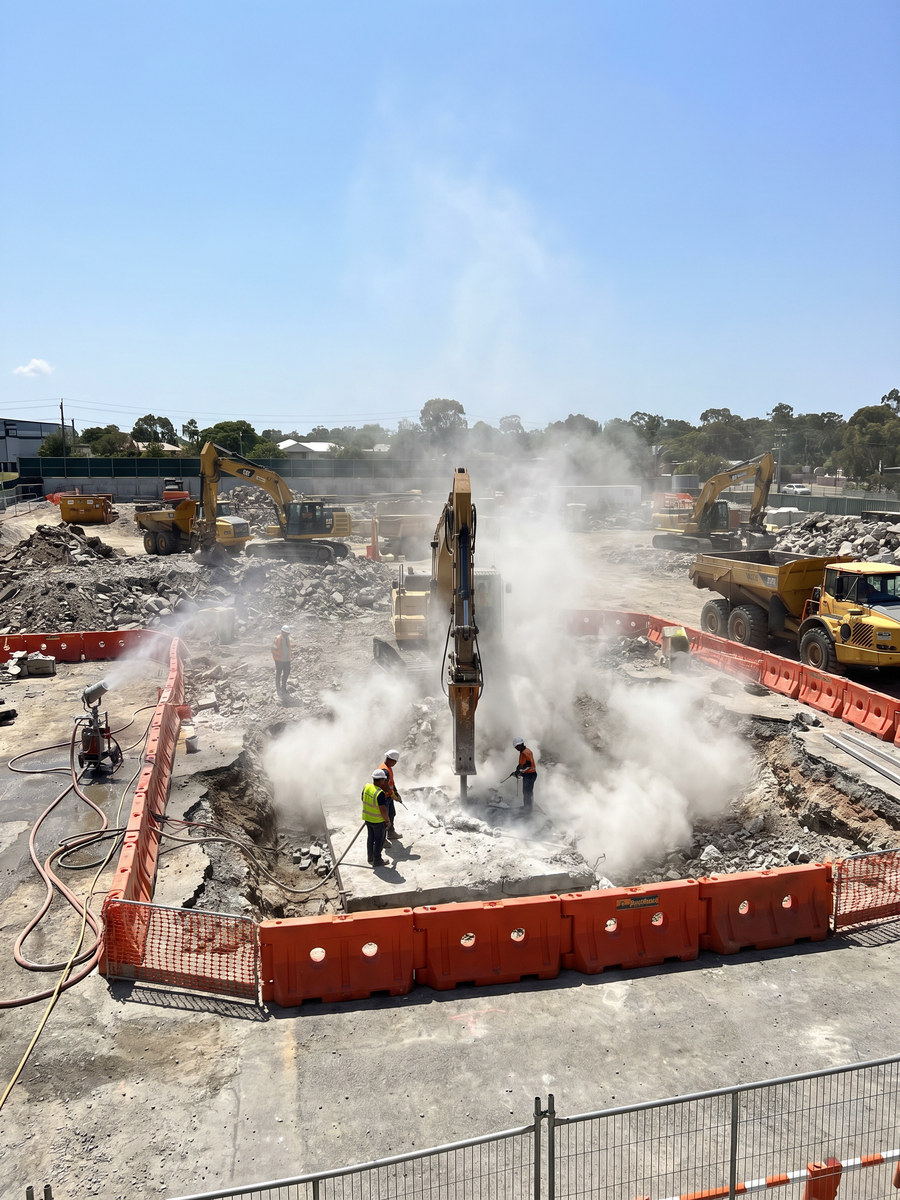
Jackhammering and chipping operations
Core drilling and rotary drilling into concrete or masonry
Abrasive blasting and crushing activities (where applicable)
Dry cleanup, sweeping, and compressed-air blowdown that re-suspends settled dust
Each of these can drive silica exposure above safe thresholds if dust is not suppressed or captured at the point of generation.
Bystander and Secondary Exposure
A frequent program gap is assuming the hazard applies only to the operator holding the tool. In reality, dust migrates. Air movement, wind, negative pressure in interior spaces, and general site traffic can carry fine particles across work areas. That means carpenters, electricians, laborers, and even supervisors conducting walkthroughs can experience silica exposure if they are near active operations or passing through dusty zones.
Effective programs treat exposure control as a coordination issue, not just a “tool operator” issue. Site logistics, scheduling, restricted areas, and communication between contractors are essential to control who is present during high-dust work.
OSHA Requirements in Plain Terms
OSHA’s construction silica standard (29 CFR 1926.1153) sets expectations for limiting respirable crystalline silica exposure and requires a written plan when exposures are at or above the action level. Practically, many common tasks can exceed the action level without controls, so employers should treat the written plan as a standard component of project start-up rather than a rare exception.
Employers generally comply in one of two ways:
Table 1 approach: If the task is listed and the employer fully implements the specified engineering controls, work practices, and respiratory protection requirements, the employer can rely on Table 1 rather than performing exposure monitoring for that task.
Alternative exposure control approach: If tasks are not listed, or if Table 1 controls cannot be fully implemented, the employer must assess exposures (often via air monitoring) and demonstrate that controls keep exposures at or below the permissible exposure limit (PEL).
Regardless of the pathway, OSHA expects the employer to implement feasible engineering and work practice controls, provide respiratory protection when needed, restrict housekeeping practices that re-aerosolize dust, train workers, and designate a competent person. Most failures in silica exposure compliance occur when plans are generic, controls are inconsistently used, or responsibilities are unclear.
Controls That Work: Applying the Hierarchy of Controls to Silica
Controlling dust effectively is not about selecting a single “best” method; it is about matching the control to the task and then verifying it is working in the field. The hierarchy of controls provides a clear structure: prioritize engineering controls at the source, reinforce them with work practices and administrative controls, and use respirators when necessary.
Engineering Controls: Capture or Suppress Dust at the Source
Wet methods. Integrated water delivery on saws, drills, and grinders can suppress dust before it becomes airborne. However, wet cutting is only effective when the water supply is continuous and properly aimed. Intermittent flow, kinked lines, empty tanks, or “just a little water” can result in significant silica exposure even when crews believe they are protected.
Local exhaust ventilation (LEV). Shrouds connected to HEPA-filtered vacuums capture dust at the point of generation. LEV is often preferred indoors, in finished areas, or where water creates slip hazards or would damage surrounding work. LEV performance depends on several field realities: shroud condition, hose integrity, adequate airflow, filter maintenance, and correct use (for example, keeping the shroud flush to the surface).
Isolation and enclosed cabs. For heavy equipment operations, enclosed cabs with filtered air can reduce operator risk. Cab protection requires disciplined maintenance—door seals, filter replacement, and keeping doors closed. Without verification, enclosed cabs may provide a false sense of security while silica exposure persists through leaks or poor filtration.
Work Practice Controls: How the Work Is Performed
Work practices determine whether engineering controls perform as intended. Good work practices are observable and coachable, which is why they should be written as specific steps rather than broad statements.
Position cutting and grinding to keep dust moving away from the breathing zone (account for wind and airflow).
Maintain shrouds, hoses, and water feeds; do not start work if controls are not functional.
Use the correct vacuum class and filtration (HEPA where required) and empty collection systems safely to avoid secondary dust release.
Stage materials and plan routes to prevent other trades from walking through active dust zones.
When these practices are missing, silica exposure often spikes even when the “right” equipment is present.
Housekeeping Controls: Prevent Re-Suspension
Cleanup is a major source of avoidable exposure. Dry sweeping and compressed-air blowdown can re-suspend fine dust and spread it across the work area. Effective programs rely on HEPA vacuums, wet sweeping, wet methods for debris handling, and controlled disposal practices. Strong housekeeping is not cosmetic; it is a primary lever for lowering ongoing silica exposure across the site.
Respiratory Protection: Required When Controls Cannot Hold Exposures Down
Respirators are an important layer of protection, but they are not a substitute for feasible engineering controls. When respirators are required, the program must include selection of appropriate protection factors, medical evaluation, fit testing, training, and maintenance consistent with OSHA’s respiratory protection requirements. The objective is to prevent reliance on “paper compliance” where respirators are issued but not correctly worn, maintained, or matched to the intensity of silica exposure.
How to Build a Written Silica Exposure Control Plan That Works in the Field
A written plan should be brief enough to be used and specific enough to be enforced. The plan must describe tasks that create exposure, the controls used, housekeeping rules, restricted areas, and the competent person who has authority to implement corrective actions.
Step 1: Inventory Tasks and Materials
List each silica-generating task performed by your crews. For each task, document:
Material (concrete slab, CMU wall, brick façade, mortar, stone, etc.)
Tool and accessory (saw type, blade type, grinder size, drill method)
Typical duration and frequency (short mobile tasks vs. continuous production)
Environment (indoors/outdoors, ventilation limits, proximity to other trades)
This inventory is the backbone of the plan and the foundation for controlling silica exposure consistently across projects.
Step 2: Align Tasks to Table 1 or Select an Alternative Assessment Method
If a task is covered by Table 1 and you can fully implement the specified controls, document exactly how you will do so. If the task is not covered, or if conditions prevent full Table 1 implementation (for example, unusual tools, space constraints, or incompatible workflow), document your exposure assessment approach. In well-run programs, assessment is not a one-time event; it is revisited when conditions change and when monitoring or observations indicate that silica exposure may be increasing.
Step 3: Specify Engineering Controls in Verifiable Language
A common weakness in written plans is vague wording. Replace broad statements with field-verifiable requirements. For example:
Instead of: “Use water when cutting.”
Use: “Use an integrated continuous water feed to the blade; verify flow before starting and maintain uninterrupted flow during cutting.”
Similarly, for LEV:
“Use a manufacturer-approved shroud connected to a HEPA vacuum; verify shroud contact with the surface; inspect hose and seals daily; replace or clean filters per manufacturer instructions.”
Specificity improves enforcement and reduces silica exposure variability between crews and supervisors.
Step 4: Define Restricted Areas and Bystander Controls
Include how you will establish and enforce restricted zones during high-dust tasks. Document who sets the boundary, what signage or barriers will be used, and how other trades will be notified. Because bystander exposure is common, restricted areas are often one of the highest-impact administrative controls for reducing overall silica exposure on multi-employer sites.
Step 5: Set Housekeeping Rules and Prohibited Practices
Write clear housekeeping expectations: HEPA vacuuming, wet sweeping, and wet methods for debris. Explicitly prohibit dry sweeping and compressed-air cleaning where silica dust may be present unless permitted under limited conditions. Tie these rules to supervisor inspections so that cleanup does not become an uncontrolled source of silica exposure.
Step 6: Name the Competent Person and Define Authority
The competent person is responsible for implementing the plan, evaluating conditions, and correcting failures. The plan should state that this person has authority to stop work if controls are not functioning. Without real authority, the role becomes symbolic, and silica exposure risk escalates when production pressure increases.
Step 7: Train Workers and Document Training
Training should be task-specific and operational: what tasks generate dust, what controls must be used, how to set them up, what housekeeping methods are required, how to recognize control failures, and what to do when problems arise. Document attendance, topics covered, and refresher schedules. This documentation is frequently reviewed during enforcement actions involving silica exposure.
Step 8: Address Medical Surveillance Eligibility
Include a process for identifying workers who meet medical surveillance criteria based on days above the action level and ensuring exams are offered as required. From a program-management perspective, tracking eligibility supports long-term workforce health and reduces uncertainty when job assignments change and silica exposure profiles shift.
Task-to-Control Mapping (Practical Guidance Without the Guesswork)
The most effective plans translate into a simple decision structure: “If we do this task, we use these controls, we set this boundary, we clean up this way, and we require this respiratory protection when applicable.” The controls below reflect common field-proven combinations:
Handheld concrete saw cutting: continuous water feed to blade; verify flow; establish a restricted area; use wet cleanup of slurry; respiratory protection if required by your compliance pathway and duration/conditions.
Tuckpointing/mortar removal: shroud plus HEPA vacuum; inspect seals; manage cords/hoses to prevent disconnections; maintain restricted areas; respiratory protection is commonly required due to high potential silica exposure.
Surface grinding: shrouded grinder with HEPA vacuum; ensure full contact and adequate airflow; avoid dry sweeping; consider additional ventilation indoors.
Jackhammering/chipping: water spray at point of impact where feasible; staged debris handling; avoid re-aerosolization during cleanup; control bystander access.
Core drilling: continuous water feed or LEV where water is not feasible; control runoff/slurry; restrict access near the drilling point.
These combinations are effective only when used consistently. Programs should verify that controls are present, functioning, and correctly applied, because “equipment on site” does not automatically translate into lower silica exposure.
Verification and Continuous Improvement: Making Controls Measurable
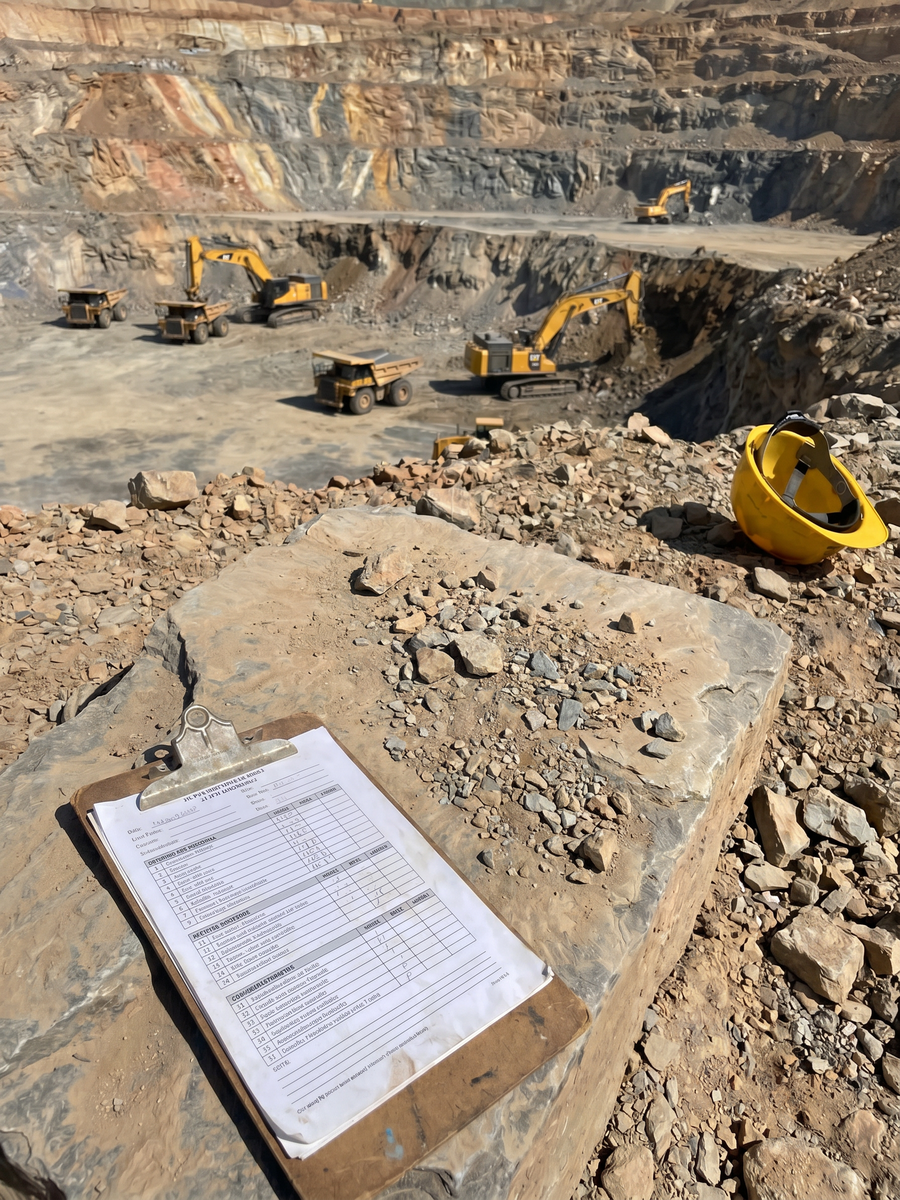
Strong programs treat exposure control as a performance issue, not a paperwork issue. Supervisors should conduct pre-task checks (water supply, shrouds, vacuums, filters, cords/hoses) and in-task observations (operator technique, boundary compliance, housekeeping). If you rely on the alternative compliance pathway, air monitoring and documentation become central evidence that your approach controls silica exposure under real conditions.
Even under Table 1, field verification matters. Partial or inconsistent implementation can invalidate the intended protection and create regulatory risk. Common breakdowns include vacuums without adequate filtration, damaged shrouds, water feeds that are “turned down” to reduce mess, and cleanup methods that spread dust after the cutting ends. Each breakdown is an opportunity for corrective action and program refinement, and each can meaningfully increase silica exposure.
Operational Checklist for Supervisors and Safety Teams
Identify all silica-generating tasks for the day, including supporting tasks (cleanup, debris handling) that can drive silica exposure.
Confirm controls are installed and functional before starting work (water flow, LEV shrouds, HEPA vacuum condition).
Establish restricted areas and communicate boundaries to other trades to prevent bystander silica exposure.
Enforce housekeeping rules that prevent re-suspension; prohibit dry sweeping and compressed-air blowdown where dust may contain silica.
Verify respiratory protection requirements when applicable; ensure fit, training, and maintenance are in place.
Document inspections, corrective actions, and training; keep records aligned with your written plan and your chosen compliance pathway.
Update the plan when tools, methods, materials, or work areas change, or when monitoring indicates increased silica exposure.
Frequently Asked Questions
What are the most common implementation failures?
The most common failures are inconsistent control use (water or LEV not continuously applied), inadequate vacuum filtration or maintenance, lack of restricted areas, and poor housekeeping that re-suspends dust. Another frequent issue is having a plan that does not match real tasks, which leads to uncontrolled silica exposure during non-routine work.
What should crews do if a dust control fails mid-task?
Stop the task immediately, correct the issue (restore water flow, repair or replace a shroud, address vacuum performance), and restart only after verifying the control is functional. Document the failure and corrective action. Continuing work without controls is a direct path to high silica exposure.
Bottom Line: Build the Plan for Execution, Not the Filing Cabinet
Construction teams reduce risk most effectively when the written program translates into daily behaviors: pre-task planning, correct tool setup, clear boundaries, disciplined housekeeping, and immediate correction of failures. If you can consistently control dust at the source, you will reduce silica exposure, limit disruption, and strengthen compliance readiness at the same time. The difference between an average program and a high-performing one is not the existence of a plan—it is whether the plan is specific, used, and verified under real jobsite conditions.
Take a tour of APT's dust management platform

Vulcan Materials Company is the nation’s largest producer of construction aggregates.

Project partner
Brent Leclerc | Environmental Manager
Problems solved
Unjustified community dust complaints & lawsuits
Difficulty complying with opacity regulations and risk of NOVs
Solution
Real-time dust monitoring
Dust maps proving no community impact, preventing fines & lawsuits
Real-time opacity monitoring, high degree of compliance



Better decisions start with real-time insight
APT helps industrial teams move faster, act smarter, and stay compliant—because when you can see the problem clearly, you can solve it confidently.
